How to find your undertone, and why every shade depends on it
Undertone is the colour under your skin, and it decides whether a shade flatters you or fights you. Four ways to find yours in under a minute.
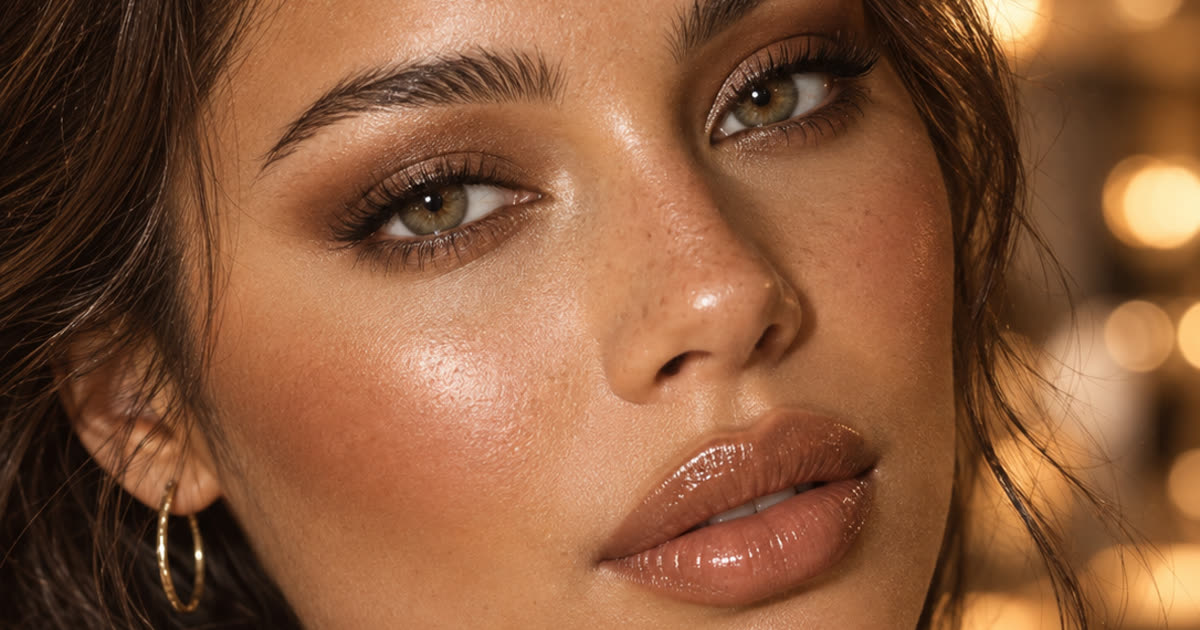
Your undertone is the colour sitting underneath your skin, and it does not change. It comes in three versions: cool (pink, red or blue beneath the surface), warm (yellow, peach or golden) and neutral (a mix, or neither).
It is the single most useful thing to know about your own face, because it decides whether a shade looks like it belongs on you or like it was borrowed from someone else.
Undertone is not the same as skin tone
This is where most people go wrong, so it is worth separating clearly:
- Skin tone is how light or deep your skin is. It changes with sun exposure and with the season.
- Undertone is the colour underneath. It stays the same your whole life.
Two people can have identical skin tone and opposite undertones. That is why "what's your shade?" is a harder question than it sounds, and why a foundation that matched your friend can look grey or orange on you.
Four ways to find yours in under a minute
No single test is reliable on its own. Run all four, and go with the answer that shows up at least twice.
1. Look at the veins on your inner wrist. In natural light, blue or purple veins point to a cool undertone. Green points to warm. If you genuinely cannot decide, that is usually neutral.
2. Hold up silver and gold. Put a silver item against your skin, then a gold one. One of them makes your skin look brighter and more even; the other makes it look slightly tired or sallow. Silver flatters cool, gold flatters warm, and neutral can wear both.
3. Try a pure white top. Against stark white, cool undertones look clean and bright. Warm undertones look slightly yellow or dull. Then try cream or off-white: the effect reverses.
4. Think about how you burn. Skin that burns quickly and rarely tans usually skews cool. Skin that tans easily and rarely burns usually skews warm. This one is the weakest signal of the four, so treat it as a tiebreaker.
What about olive?
Olive is the undertone most often missed, because it does not fit neatly into the three-way split. Olive skin has a subtle green or grey cast underneath, and it can read as warm in some lighting and neutral in others.
The giveaway: foundations that match your depth still look faintly orange or pink on you, never quite right. If that keeps happening, you are probably olive, and you want shades described as "neutral-olive" or "golden-neutral" rather than straightforwardly warm.
What your undertone actually changes
Foundation. The most visible one. A foundation at the right depth but the wrong undertone reads as a mask: grey on warm skin, orange on cool skin.
Lipstick. Cool undertones are flattered by blue-based reds, true wines, berries and cool pinks. Warm undertones are flattered by brick, coral, terracotta and warm brown-nudes. This is also why some reds make teeth look whiter: a blue-based red optically cancels yellow.
Blush. Cool skin takes rose, raspberry and cool pink. Warm skin takes peach, apricot, coral and terracotta.
Metals. Silver, platinum and icy highlighters suit cool. Gold, bronze and champagne suit warm. This applies to eyeshadow and highlighter, not just jewellery.
What it does not change
Undertone tells you which version of a colour suits you. It does not put colours off limits.
Every shade family has a cool version and a warm version. There is a cool red and a warm red, a cool pink and a warm pink, a cool brown and a warm brown. If a colour has never worked on you, the odds are good you have been wearing the wrong temperature of it rather than the wrong colour.
The shortcut
Working out your own undertone from a mirror takes practice, and the lighting in most bathrooms actively works against you.
Vélora reads your undertone from your selfie along with your face shape, eye shape and lip shape, then builds the look around what it finds, so the shades are matched before you ever see them. It also tells you what it detected, which is a quicker way to learn your own undertone than any wrist test.
Next: where to put blush for your face shape, and choosing a berry lip shade, which goes deeper on cool versus warm within one colour family.